

This essay was written by Adarsh Yadav: a WHT JournalistIntroduction
Crisis moments have had a profound influence on the history of politics. Governments in various societies and throughout history have resorted to using emergency powers to deal with war, domestic upheavals, economic instability, or perceived internal threats to society. The conferred powers were often introduced as temporary and necessitating, wherein the authorities can act rapidly where the normal process of doing things apparently fails. The principle of security tended to override legal and institutional limitations in such situations.
However, history does not always follow this pattern, as the application of emergency powers has not often been limited to the short durations for which the power was created. Extraordinary measures that were instituted in cases of crisis, in most instances, continued to affect political systems even years after the crisis had been overcome. The recurrence of the emergency authority indicates a long-term conflict between the power of the state and individual freedom. This essay examines the patterns that emerge upon the exercise of emergency powers by reviewing their exercise and looking at what these patterns may provide to the situations of the present-day democratic society.
The History of Emergency Powers
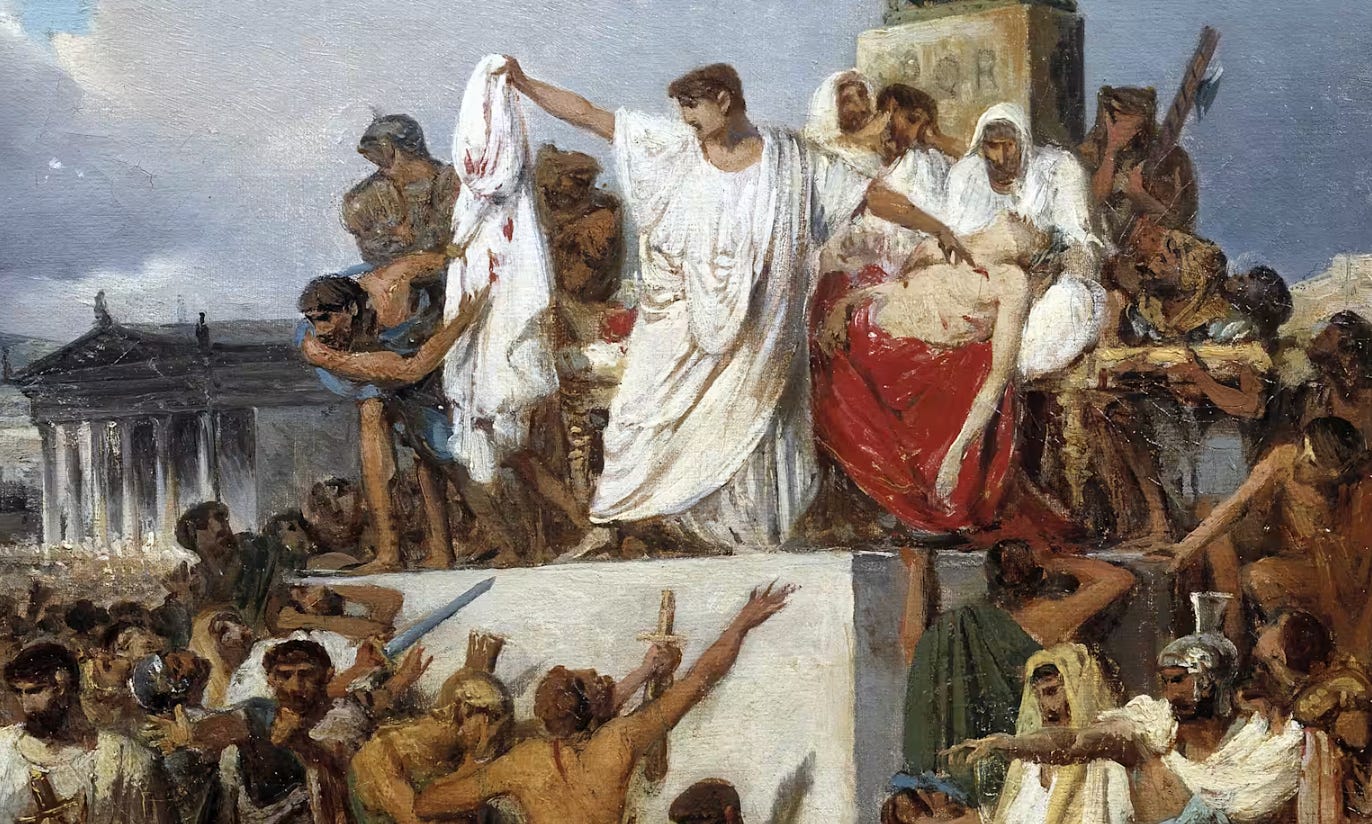
Emergency powers are a relatively ancient idea. In ancient politics, the extraordinary power was likely to be conferred on extraordinary occasions of extraordinary jeopardy. One of the best examples is the Roman Republic, where an interim dictator could be introduced in times of acute crisis. This position was supposed to save the state by adopting decisive action to suspend regular political processes over a brief period of time.
The same practices were used in subsequent times. The special powers were often taken by medieval rulers, early modern monarchies when rebellions took place, invasions were made or there was instability. These were the suspension of laws, imposition of taxes without consent or movement reduction. This could be done by justifying that what was needed was a flexibility that was not a normal matter in how the state was run to survive.
With the development of political systems, emergency powers were formalized in legal systems to an even greater extent. Constitutions and laws tried to stipulate the time and manner in which extraordinary power was to be acquired. Regardless of the above development, the rationale underpinning such development was unchanged: emergencies were also considered eventualities where regular rules could be shelved in favor of stability. History indicates that in the few cases where there was a legal definition of emergency powers, their implications usually stretched further than the crises that their inception was created to address.
Emergency Powers and Emergency Authority Building
Although the emergency powers were a topic mainly presented as a measure of protection, they were usually followed by a substantial growth of state power in most cases. As soon as the governments were endowed with extraordinary authorities, the equilibrium between executive action and institutions was disrupted. Policies in which approval is required by law or legislation were made independently due to a sense of necessity.
Another historical trend may be seen through the history of progressive normalisation of exceptional power. Policies that started in a transitional mode to contain situations have, in other cases, become part of the government. The loss of civil liberties, increased surveillance, and the widening of police powers that were created in times of emergencies did not necessarily entirely revert to their previous conditions once they were stabilized. As time passed by, these practices transformed political institutions and changed the expectations of both the rulers and the citizens.
Another impact on the operations of accountability orders was the emergency powers. Courts and legislatures were often marginalized; debate and deliberation were depicted as barriers in the way of taking quick action. This marginalisation undermined institutional checks and reduced the chances of challenging the law. In others, the authority to suppress dissent or silence opposition was applied through emergency powers and it becomes difficult to differentiate between actual threats and political disagreement.
There was a historical trend that emergency powers were not reactionary to crisis, they had a neutral or reflexive aspect. Even though they worked on short-term issues, they have also prepared a situation where power might be concentrated. Such consolidation usually had long term effects that were usually felt after the emergency had calmed.
Past Recollections and Present-day Democratic Issues
Emergency powers are an experience that is still pertinent to democratic initiatives in the contemporary world. The modern states still rely on extraordinary power in time of crisis, armed conflict, a sudden epidemic, and a threat to security. Although the democratic form of government is not similar to other types of pre-democratic governments, history does provide handy insights into the dangers of such a government.
Among other things, it can be understood that legal authorization is not a solution to the risks created by emergency powers. Although extraordinary measures may be introduced by extraordinary means, whether constitutional or statutory, weakening of the democratic norms may still take place when supervision of such extraordinary measures is going little. Past experience shows that the destruction of the safeguards may take place most of the time through a gradual process rather than sudden shifts.
The other lesson is that it is not easy to establish the termination of an emergency. Crises that occurred in history have hardly straight edges, and it is easier to continue making transitory actions. Here, the significance of meaningful time and scope limits is emphasized. In the absence of such limits, the alternative political systems can be transformed by emergency governance in unintended ways.
Lastly, history shows how fear on the part of the population was used to increase the power of the state. Uncertainty has tended to make societies open to making compromises through restrictions to get security. The awareness of this trend leads to a more careful attitude to the powers of emergency, which appreciates thoughtfulness as well as necessity.
Conclusion
According to history, the emergency powers always took a precarious position between kindness and control. They have been introduced in reaction to extraordinary situations and, in many cases, made themselves indelible in the political and legal institutions. The demand to act swiftly and decisively was real in the case of emergencies, although it posed a chance of expansion of authority far more than usual.
Analyzing the way in which the emergency powers have worked historically, one is able to see the patterns and consequences common to them. These historical lessons do not imply the avoidance of emergency powers, they highlight the lessons of care, control and caution. To contemporary democracies, these lessons can assist them in making sure that the answers to the crisis would not hamper the very values that they are trying to protect.
